

021
painting again at 33 and a studio upgrade
Deep into Cancer season and I am finally getting a moment to sit and write on some updates. June was filled with birthday celebrations, a trip to the Jersey Shore, and winding down my jobby job of the last four years (more on this soon!). I also moved studios, thankfully in the same building. Going into my 33rd year truly feels like a time of big transitions, some of them a little scary, all of them positive.
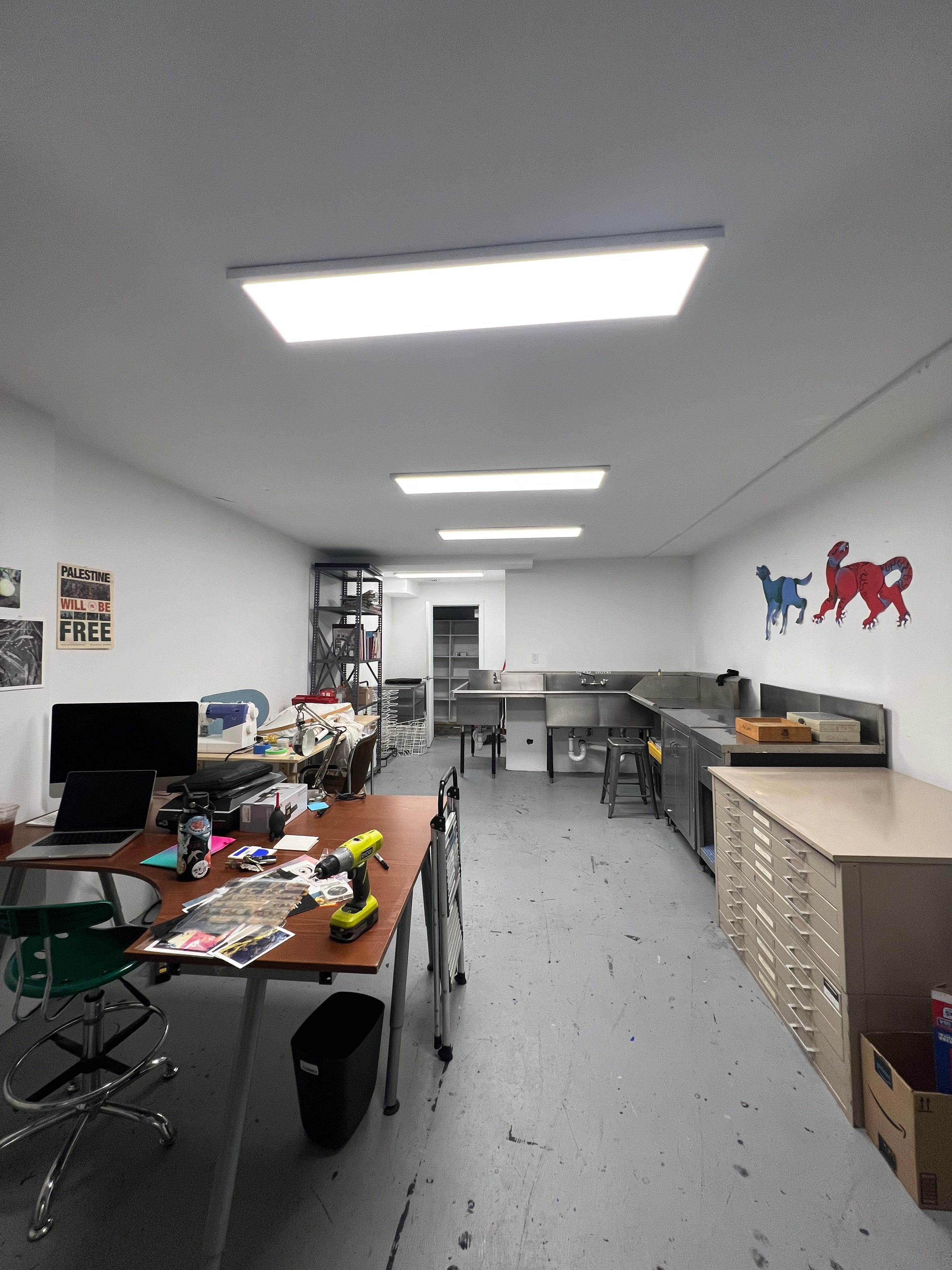
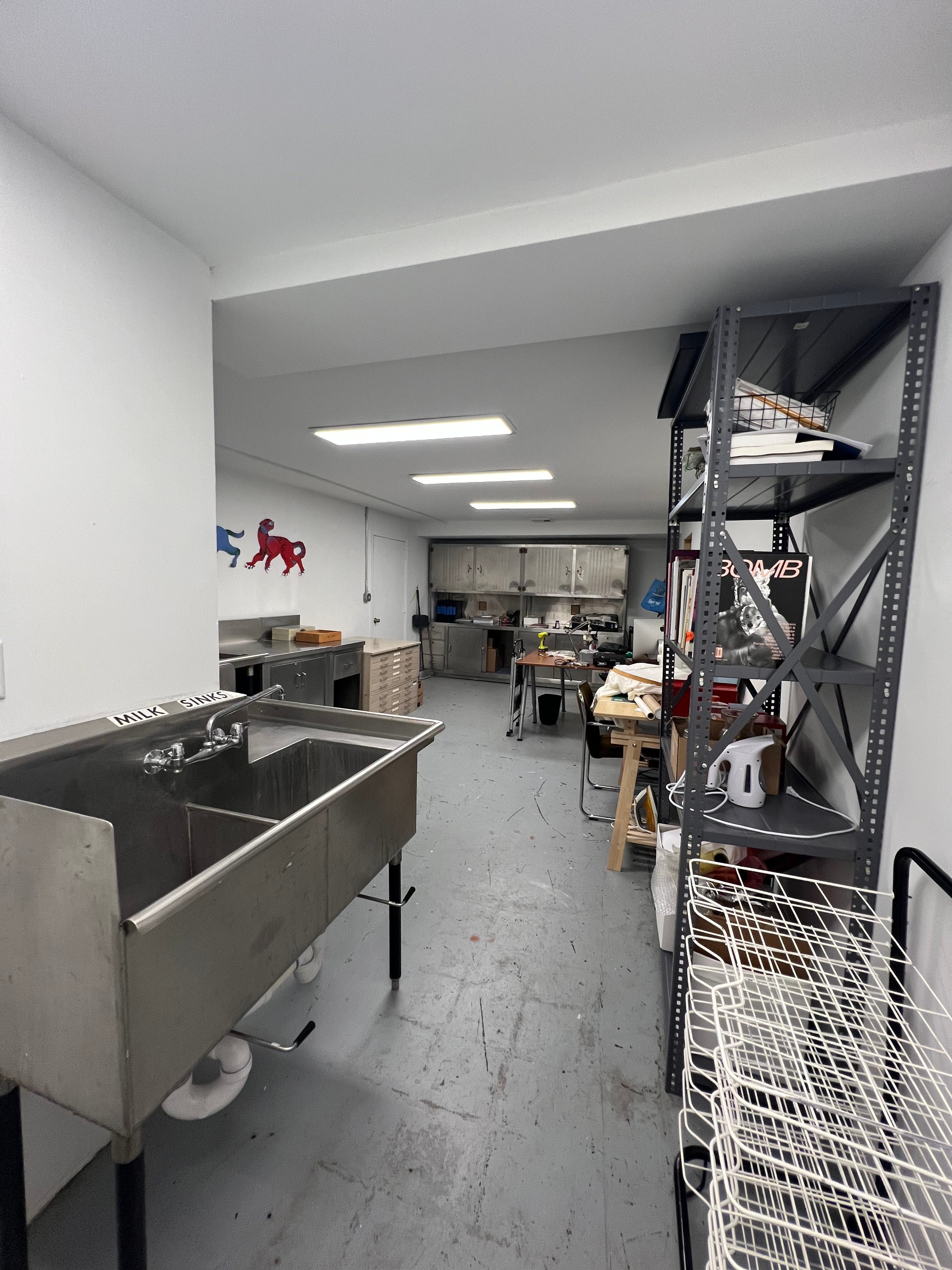
I feel less sentimental this time about leaving my very first studio space. It has served me so well and it feels like the right time to upgrade. I’ve moved just down the hall into a bigger space and one that has passed through great hands. The studio was the former kitchen of the building, so it comes with plenty of storage and two large, stainless steel double sinks. My intention is to build out a darkroom situation with space to develop, print, and work with some alternative processes. I’ve had a variety of darkroom equipment sitting in my basement for years that I’m excited to finally put to use. If you have any additional equipment lying around that you’re trying to get rid of, please let me know!
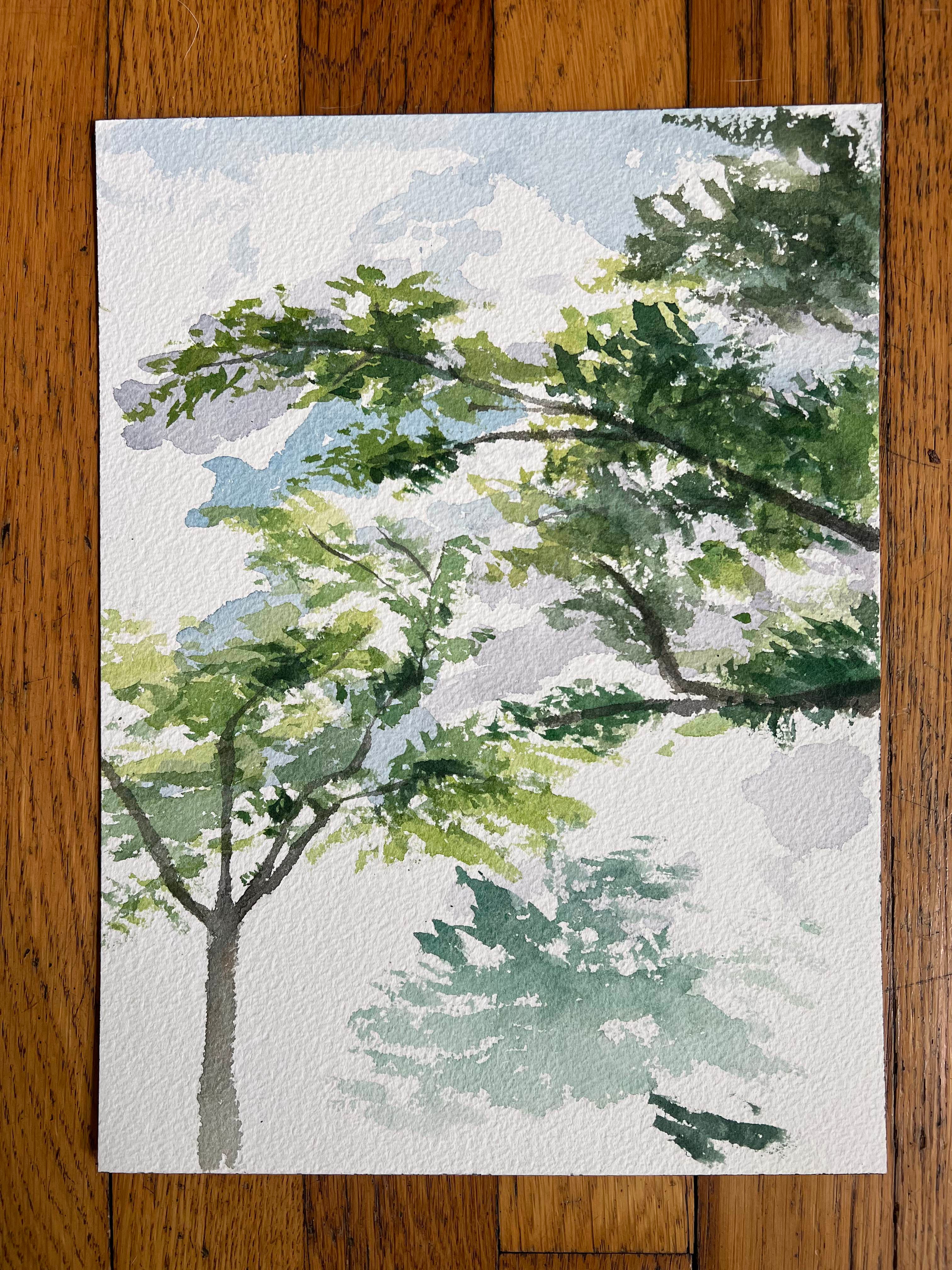
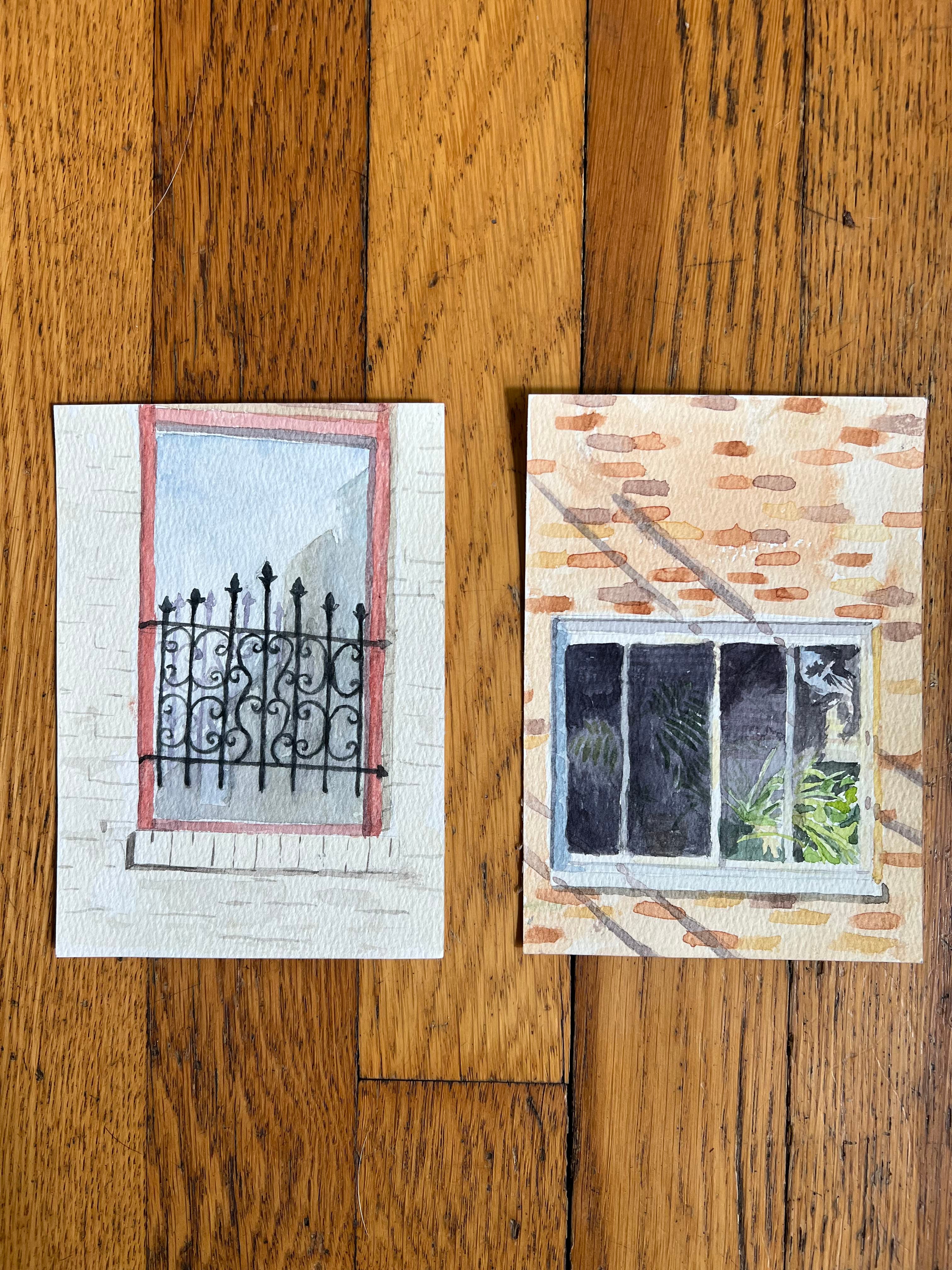
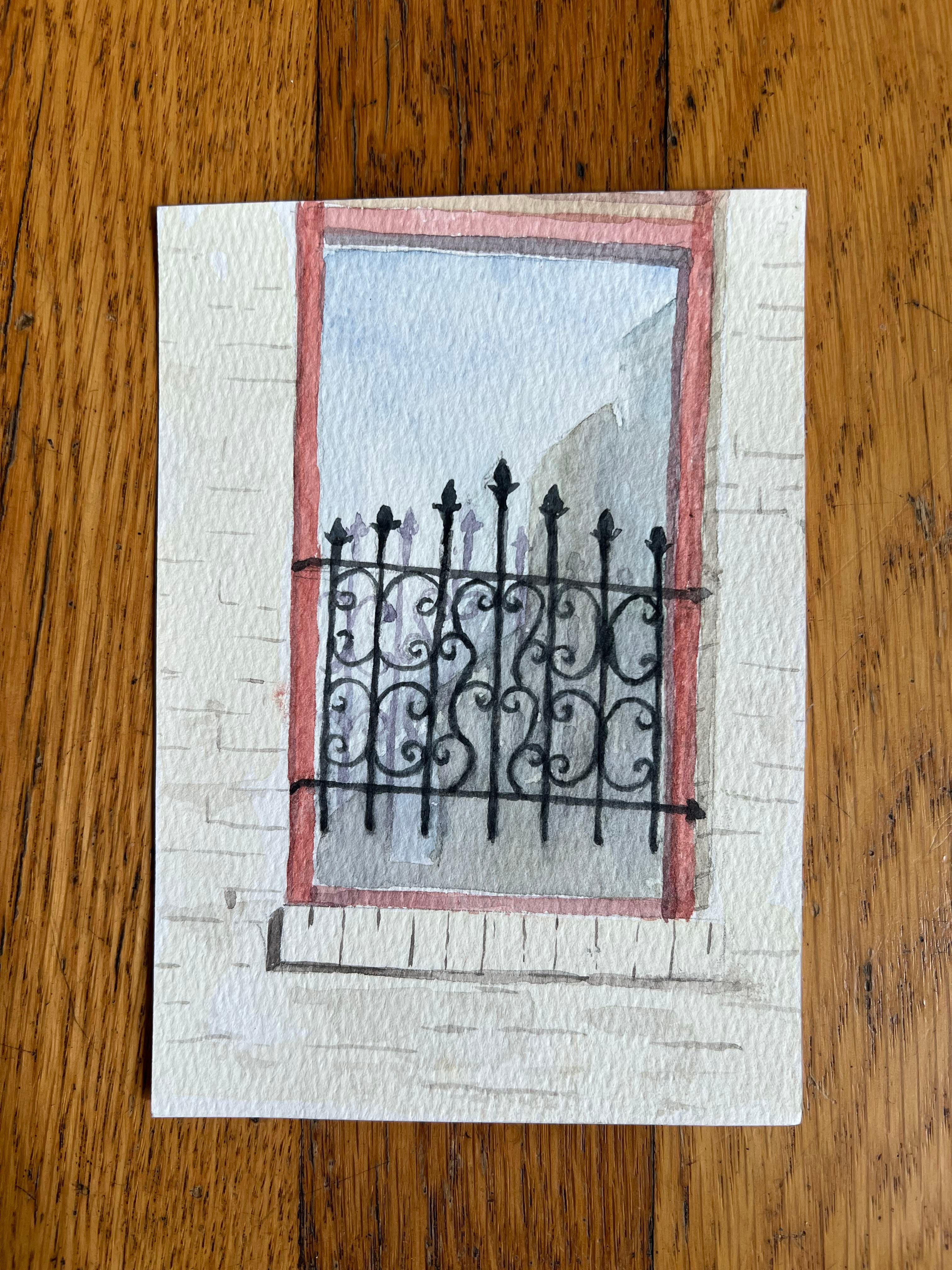
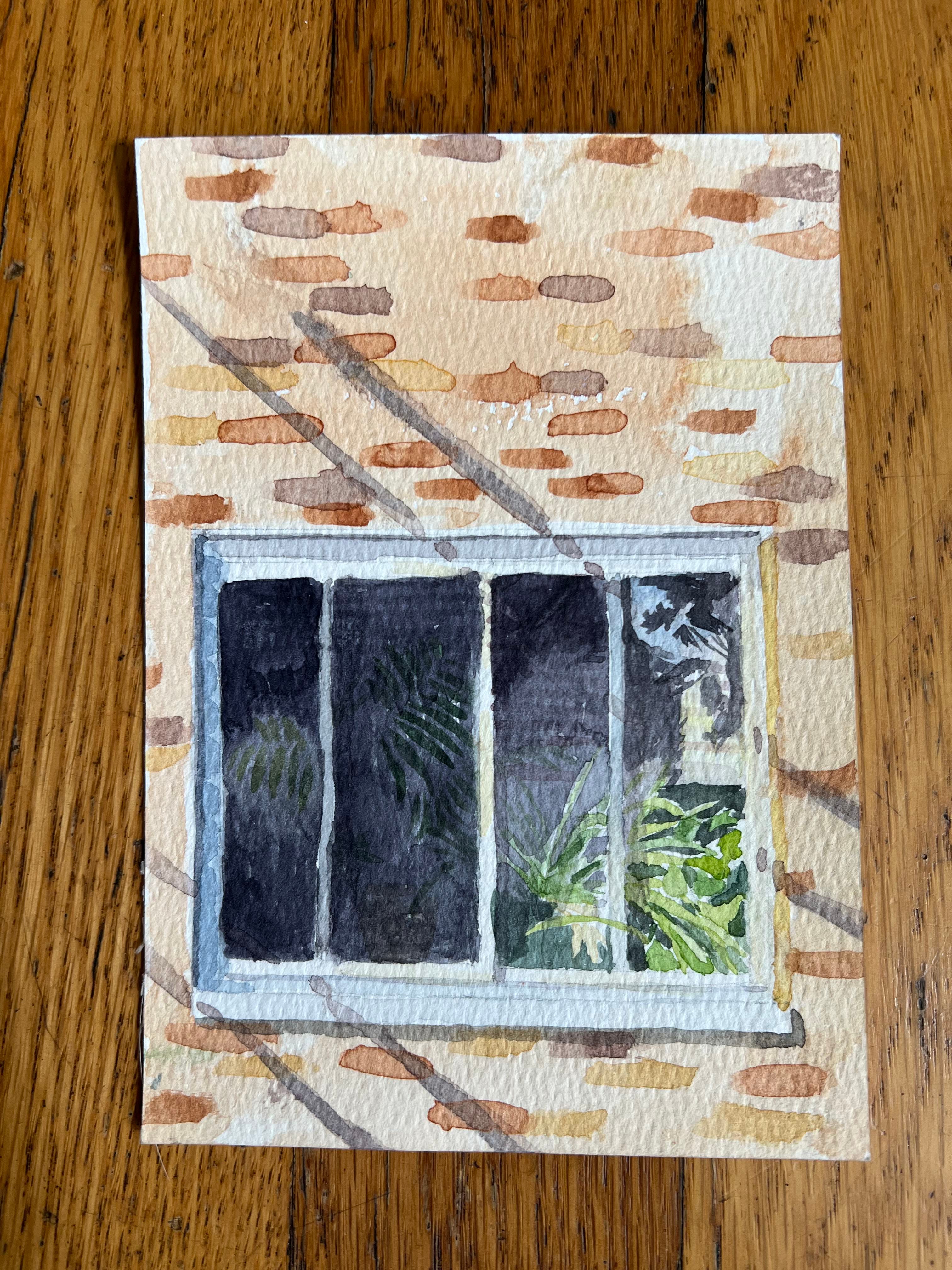
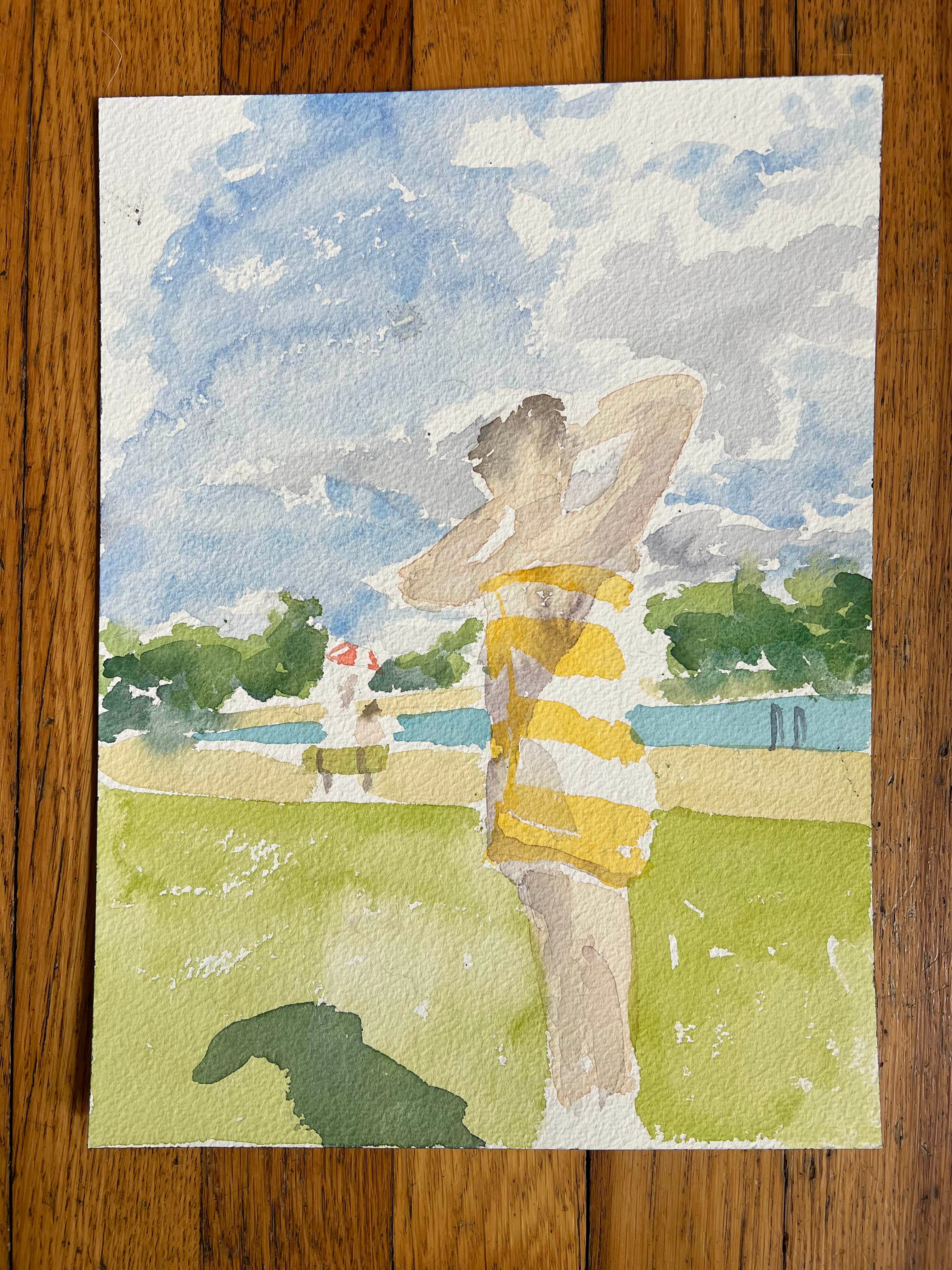
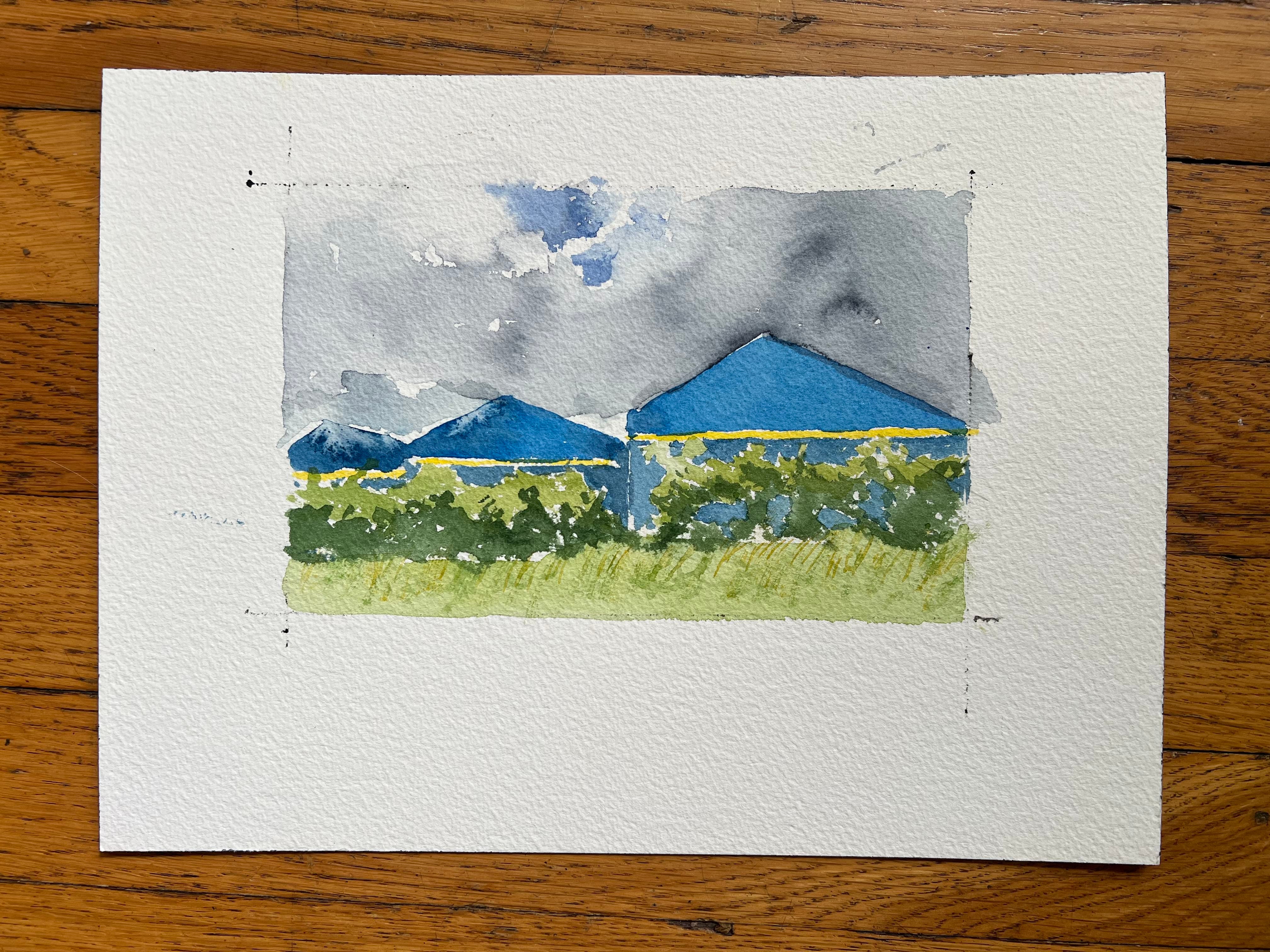
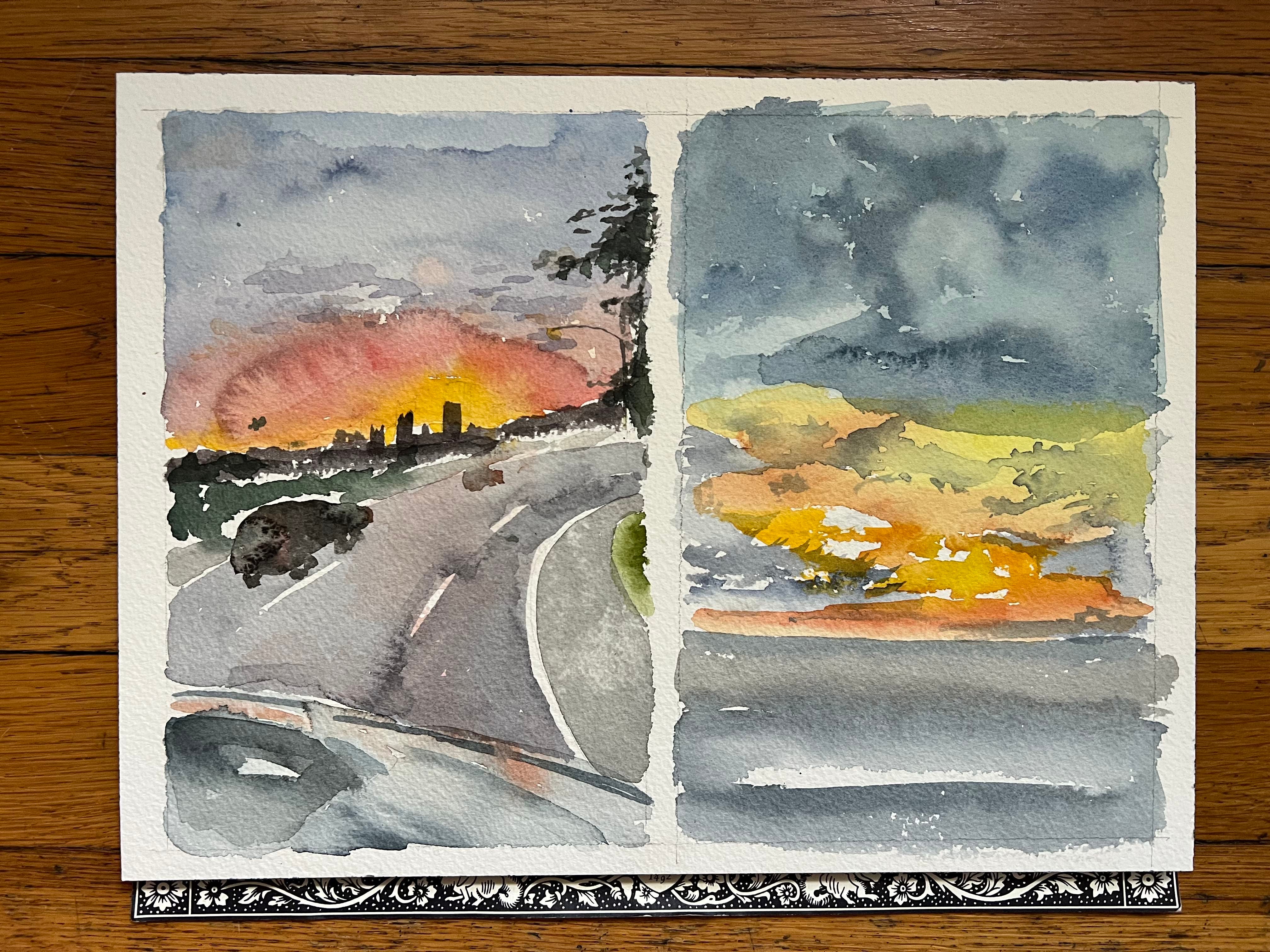
I also have started painting with watercolor again for the first time in well over a decade thanks to Matty Constant. I took private watercolor lessons just about every week starting at age 11 and until I left for college, but I abandoned the practice once I started undergrad, aside from a brief painting or two using cheap and available materials while living in Kinmen on my Fulbright. Starting to paint again was nerve-wracking, my perfectionist tendencies my constant barrier. Once I started, though, a lot of what I had spent so many years practicing came back to me but through a different lens. My teacher was pretty traditional and had a lot of rules I was made to follow when painting with watercolor. What’s often held me back in my art making has been fear around making something “good” instead of making simply to make. If I didn’t think the end result would be “good,” I wouldn’t even start. And what my teacher considered “good,” and therefore what was passed to me, was something that looked more or less realistic (and adhered to the rules). I wonder if that’s partially why I’ve gravitated so much towards analog photography—the inability to see the image after taking it has let me become accepting of the end result, “mistakes” and all. Anyway, the rules came back to me very quickly, as well as a sense of how to break them and a notion for what isn’t really a rule at all.
A few watercolors I’ve done over the last two months. I’ve been having fun with it (just don’t look too closely :))!!
What I’m Looking At
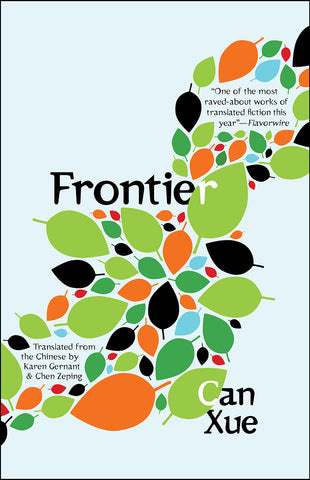
I am currently reading Frontier by Can Xue, which has been implanting visions in my head of images I want to make. Her descriptions of the flora and fauna in the “frontier” take me to a place in my mind that is partially based on my memories of China and a wholly imaginary setting. I find a lot of overlap with the way she writes and the way my inner dialogue works, which ultimately affects the way that I write and make and do anything externally. In an interview with writer Porochista Khakpour, who also writes the introduction to the English translation of Frontier, Can Xue talks about writing as performance:
Let me explain how I create and build up a novel. It’s a long journey, a special kind of journey that is realized through my continuing performances. It’s impossible for me to “have an idea” for a novel before the novel is being created, step by step, through my daily improvisational performances until it is finished at last. Because when I am writing, what I depend on is mainly the performance of my body, not just my thinking. In my view, the performance of one’s body is much more difficult than the thinking that occurs in one’s brain. You can’t know the meaning of your words and sentences before they are actually written down; you can’t know even after that. I usually know the “meaning” several months after I finish a novel. In the process of the writing, all you need is a strong passion and firm resolution—a resolution of performance… It’s not something external that gives you an idea about your tale; it’s a body’s passion and resolution that produces an essential movement. So when I am writing, I don’t need inspiration in the usual sense. Because at that moment, I am the inspiration, and I am Great Nature, which, as a Chinese writer, means the ultimate setting in my philosophical and artistic view; a warmer setting than God in the West. My body also becomes the body of Great Nature. As soon as I start the performance, the beautiful pattern of Great Nature gradually unfolds. What I need to do is just concentrate on my acting, indulging in the wildest fantasy. By the end, everything I write down forms that pattern naturally.
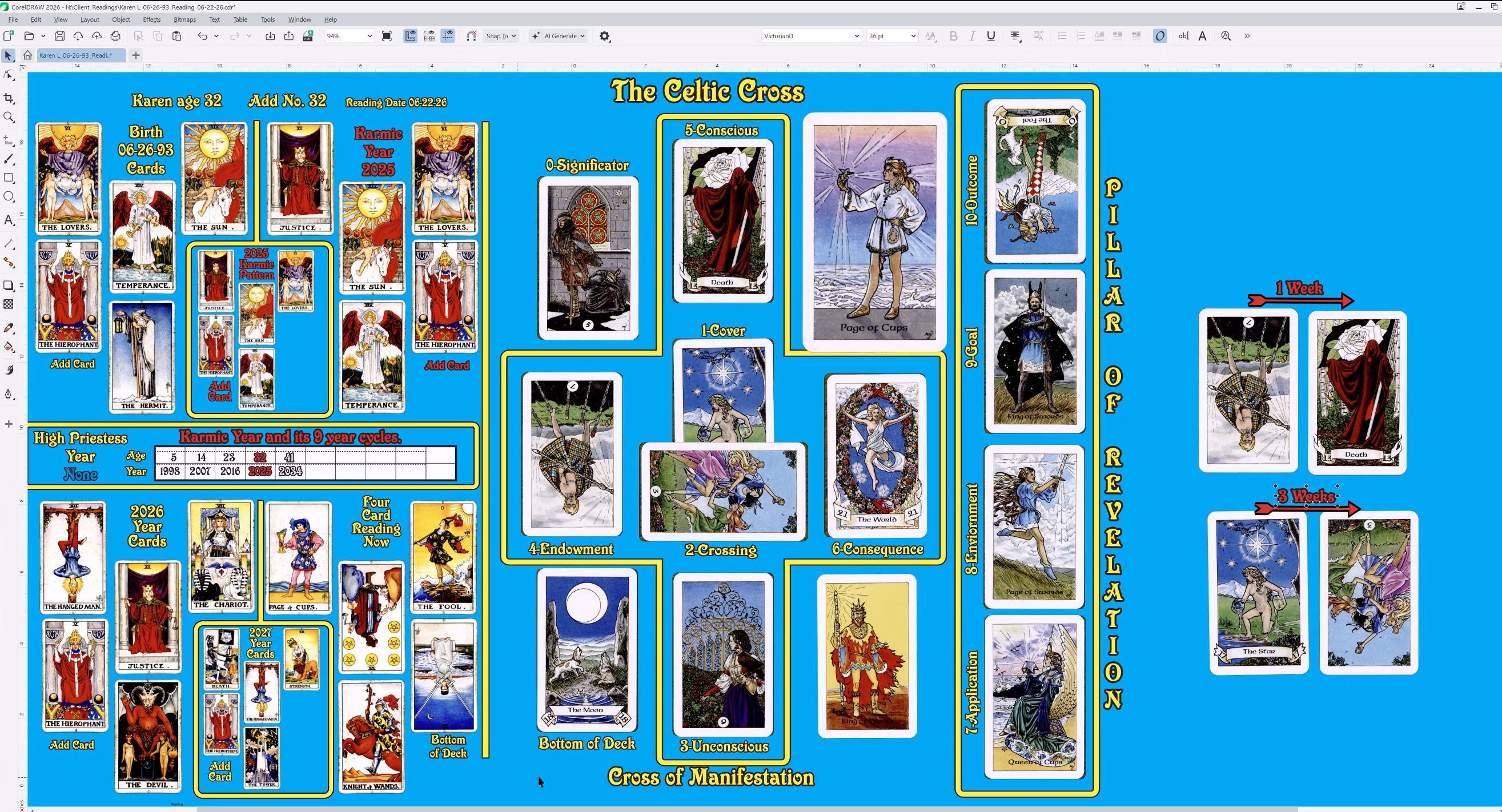
I also had my tarot read by the inimitable Ruth & Charque a few days before my 33rd birthday. I won’t get into what was discussed, but it was four hours long and extremely affirming. They only do readings over Zoom now and have a pretty impressive set up for how they show which cards they’ve pulled. I’m including the screenshot they had me take after the reading was finished.
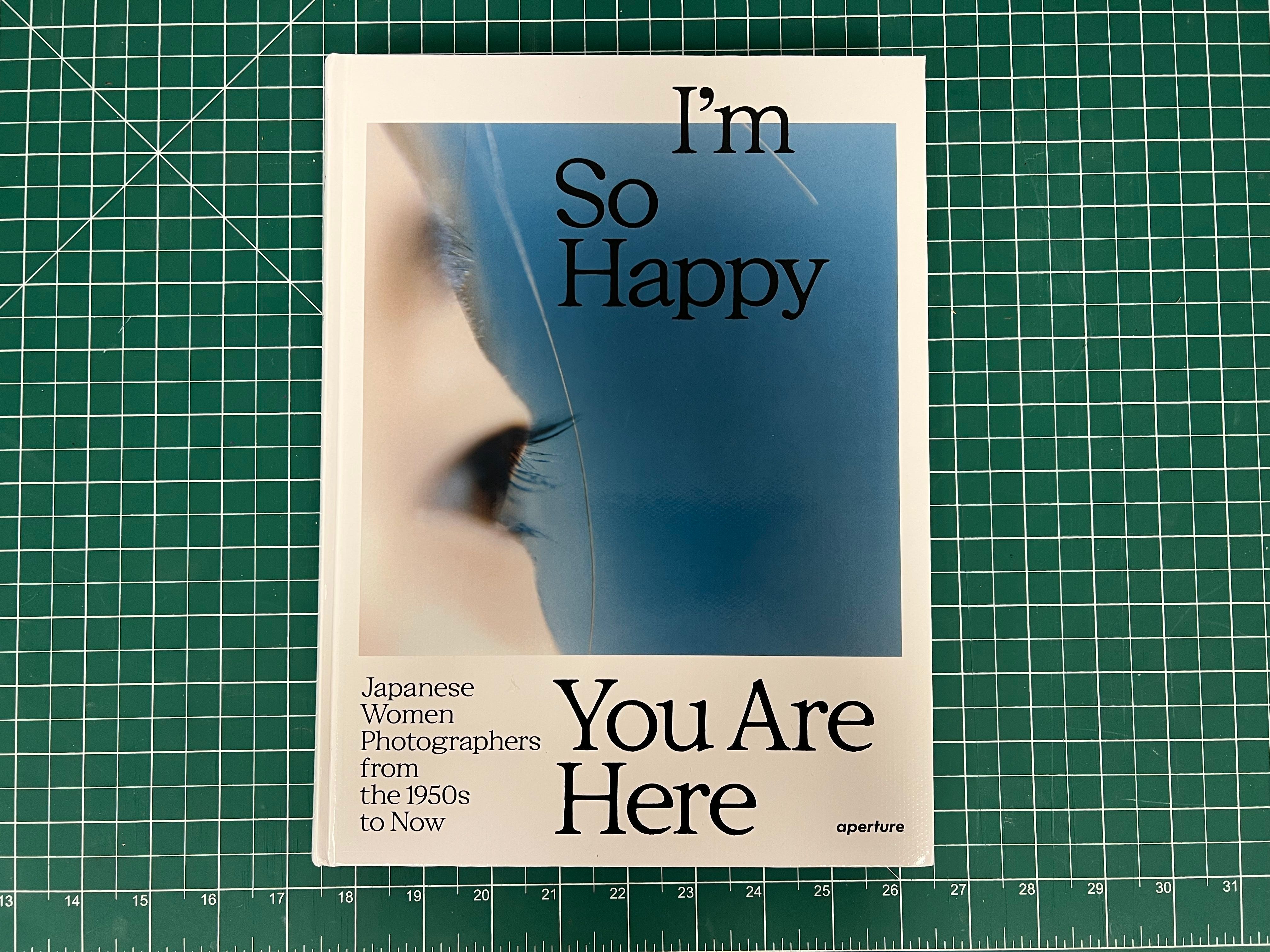
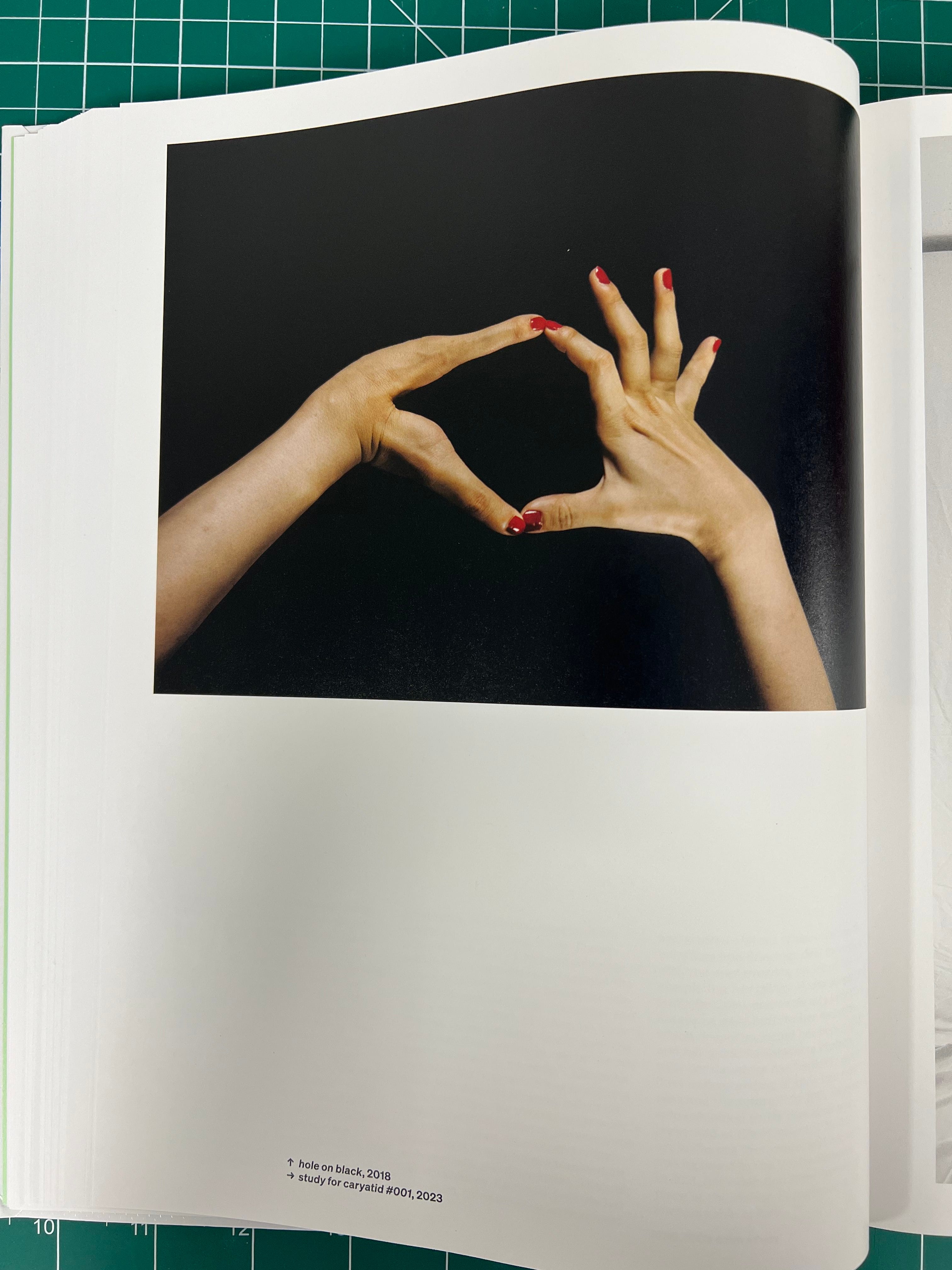
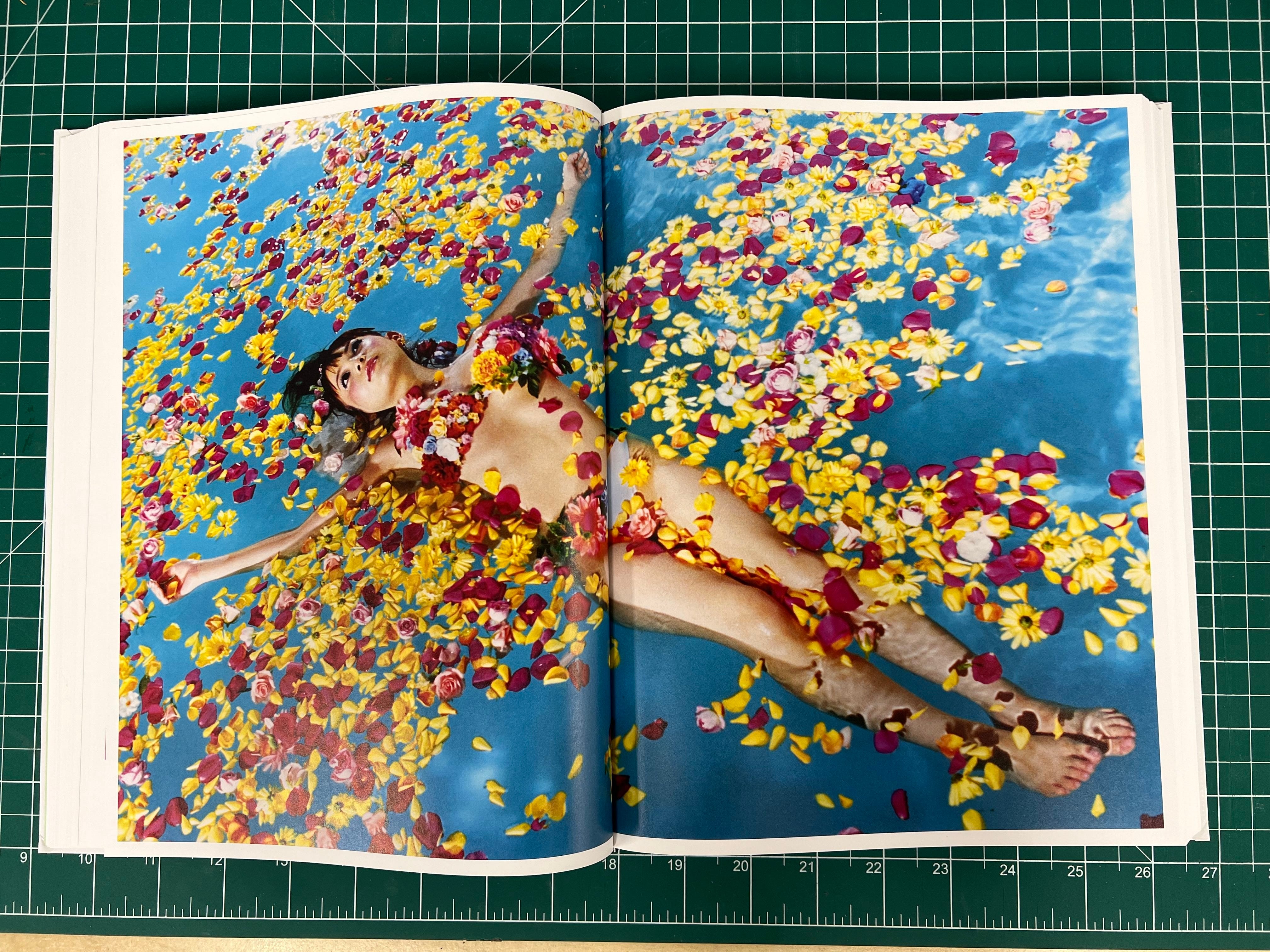
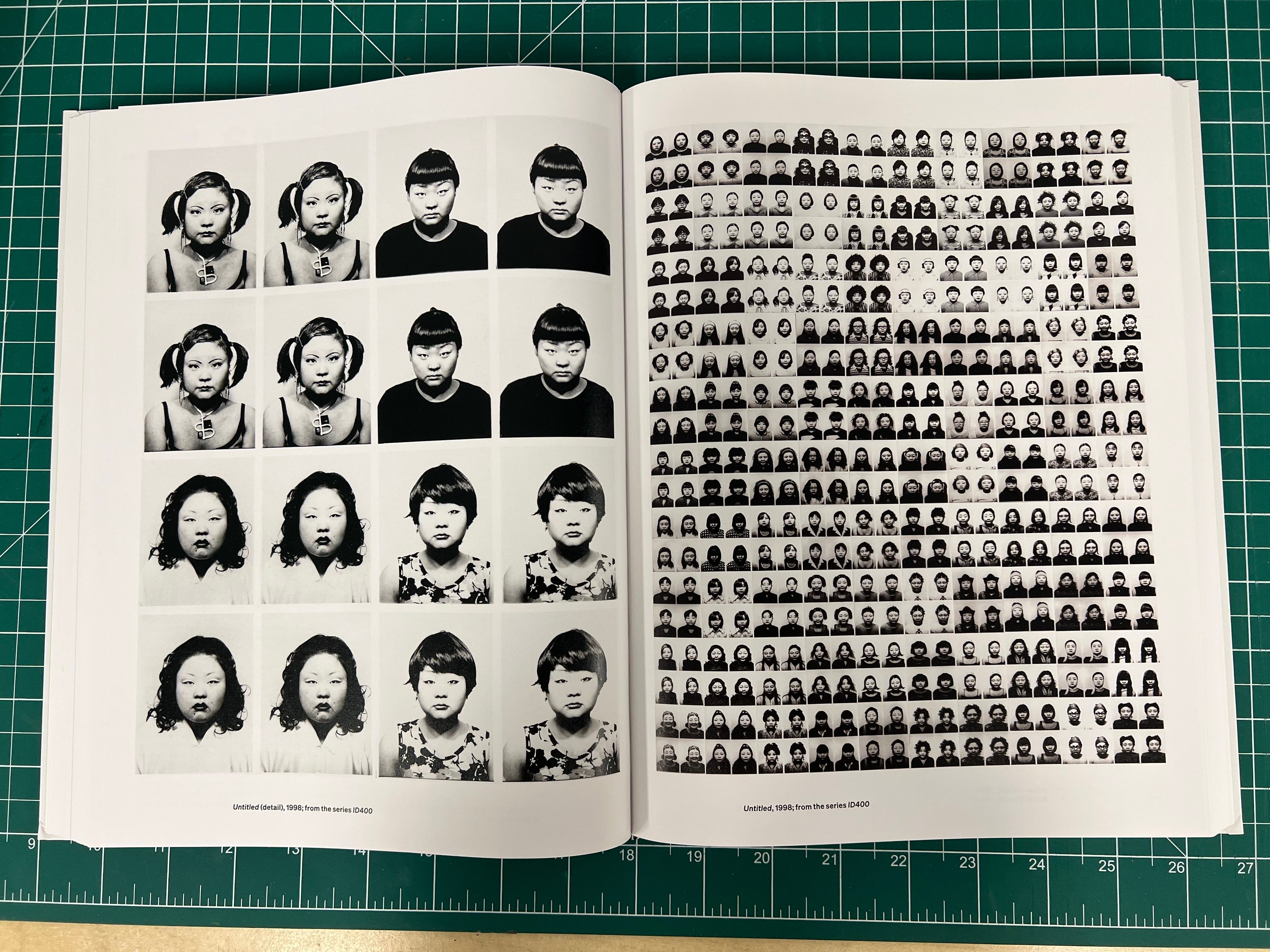
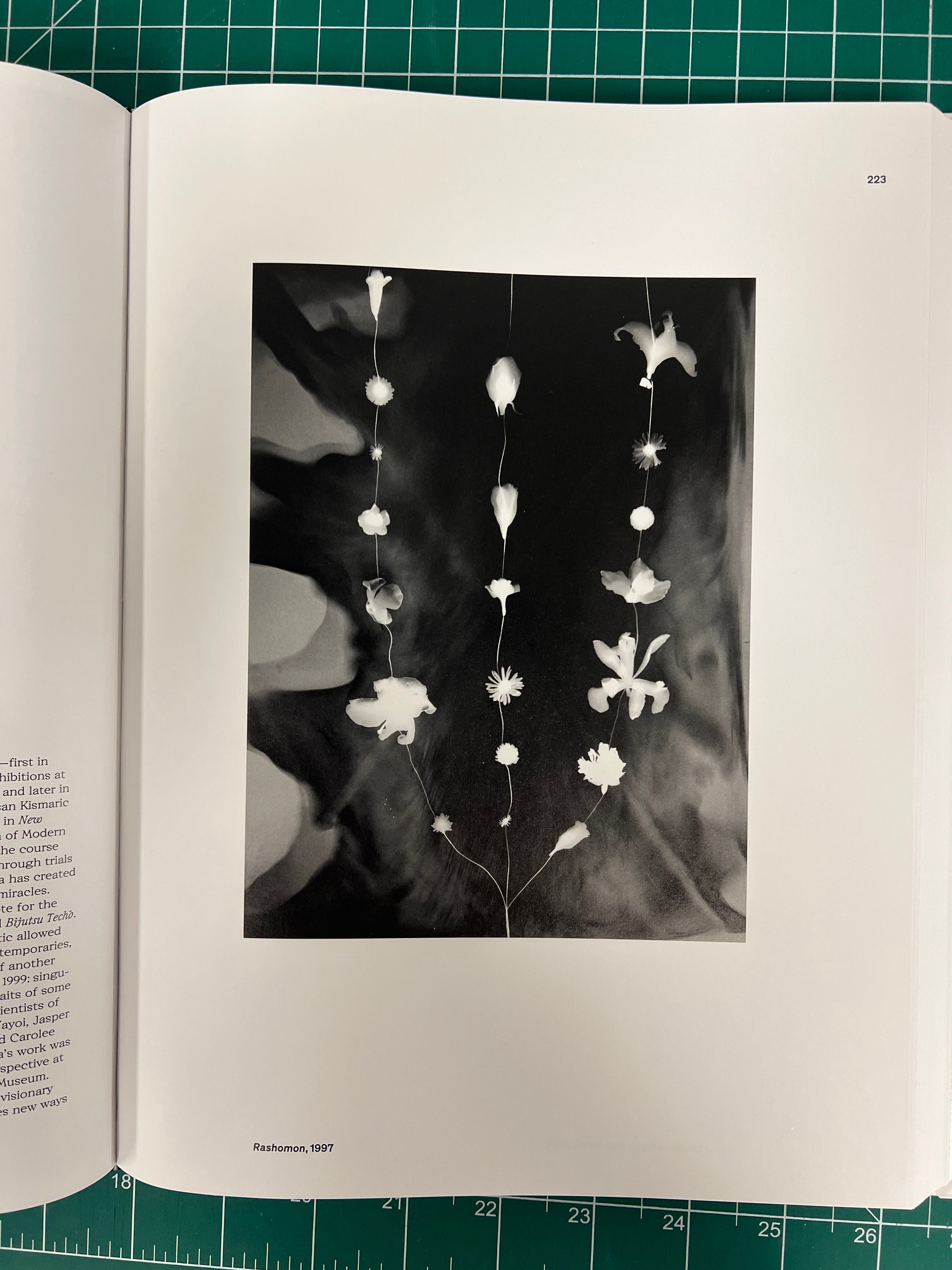
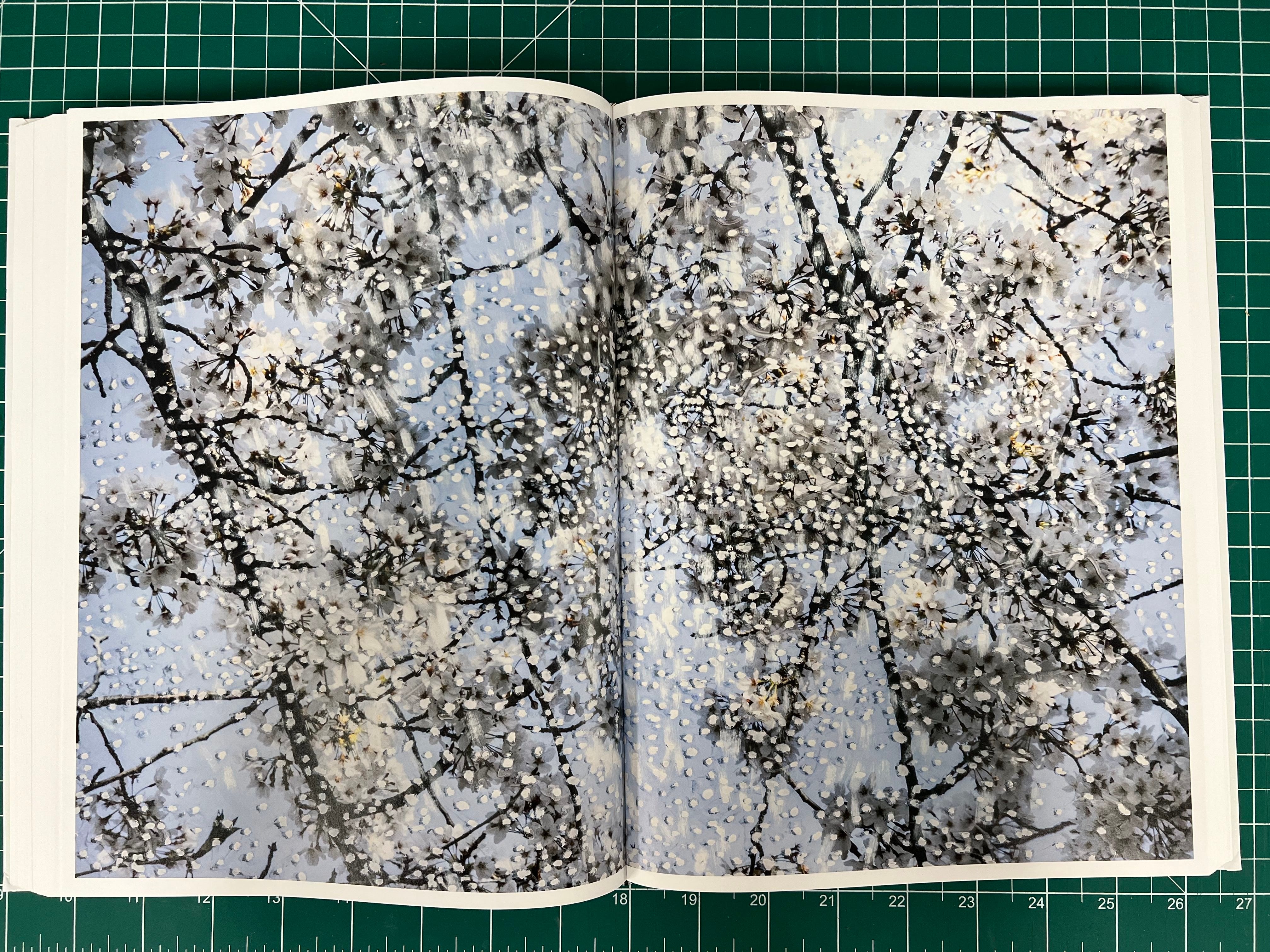
Finally, I’m currently getting inspiration from I’m So Happy You Are Here: Japanese Women Photographers from the 1950s to Now, published by Aperture. Sam gifted this to me for my birthday and I’ve been taking my time with it. Some images that caught my eye on my first read through:
What I’m Listening To
Akofa Akoussah, Akofa Akoussah (1976) | Tidal | Apple Music
Really gorgeous self-titled album from Togolese singer and activist Akofa Akoussah. Lots of blending of soul, jazz, funk, psych rock, and traditional Togolese folk.
In Through The Front with Lasers, Tory Silver (2026) | Bandcamp | Tidal | Apple Music
You may remember from previous newsletters that I was prepping to sing backup for Tory’s album release show at Brillobox that happened back at the end of May. I’ve since had the privilege of joining her for an acoustic set at Jackworth Ginger Beer the other week, and on the main stage at Northside Music Festival last weekend. I really recommend you listen to the full album!
Biya Ba Man, Devon Rexi (2024) | Bandcamp | Tidal | Apple Music
I heard the first track from this EP on an NTS show the other day and it reminded me a lot of Nicolini’s sound, and turns out they’re in Devon Rexi lol
Artist Feature 02: Kaylani Brown
And finally, to round out this newsletter, I’m excited to share the second artist interview with an artist whose work I love and admire.
I’ve known of Kaylani’s work for a couple years now, and was able to do a lovely studio visit with them early this year while they were a Distillery Resident at Brew House Arts.
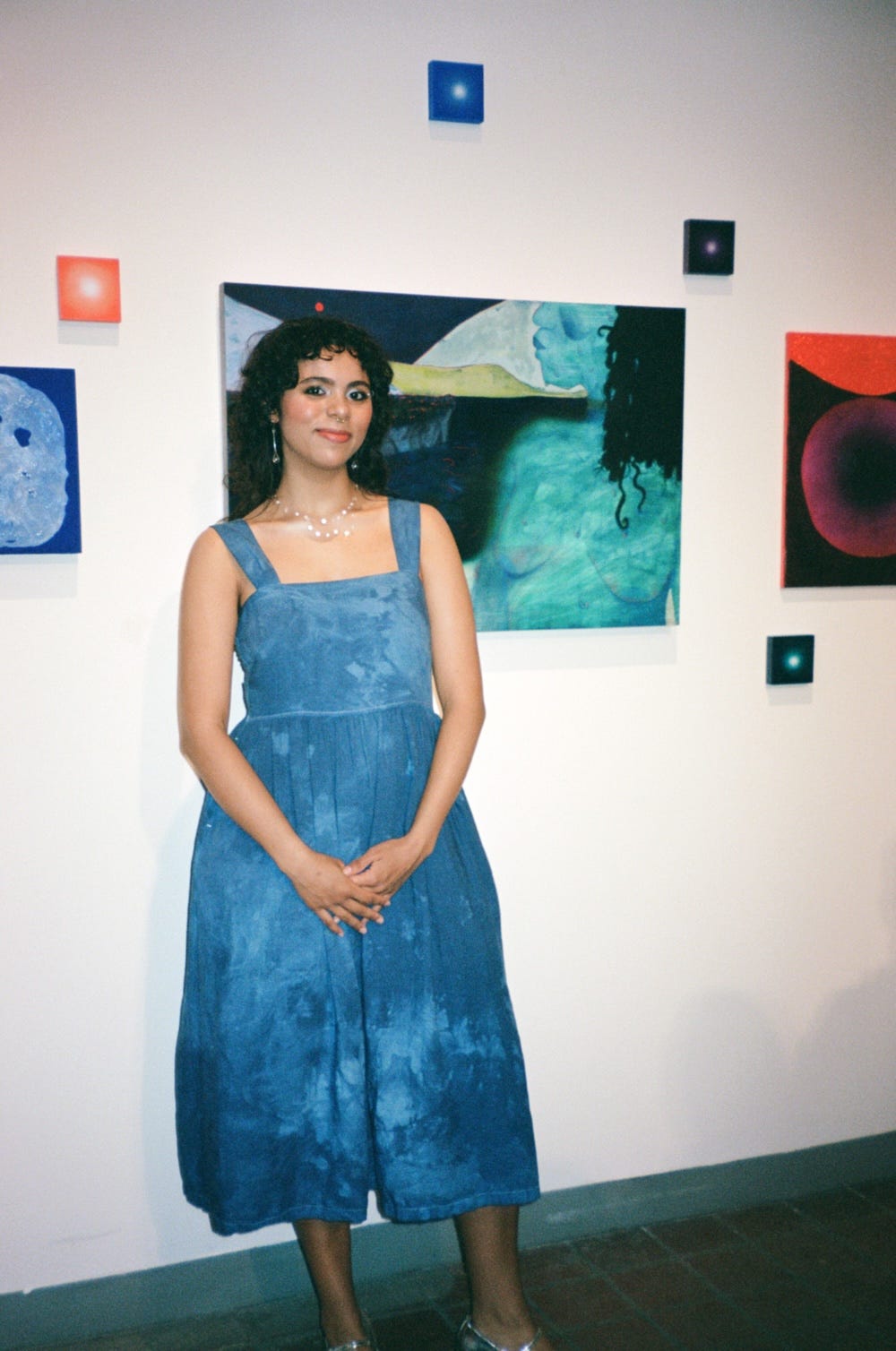
KL: Can you speak to your depiction of avatars in your work? Do you consider your pieces self-portraits?
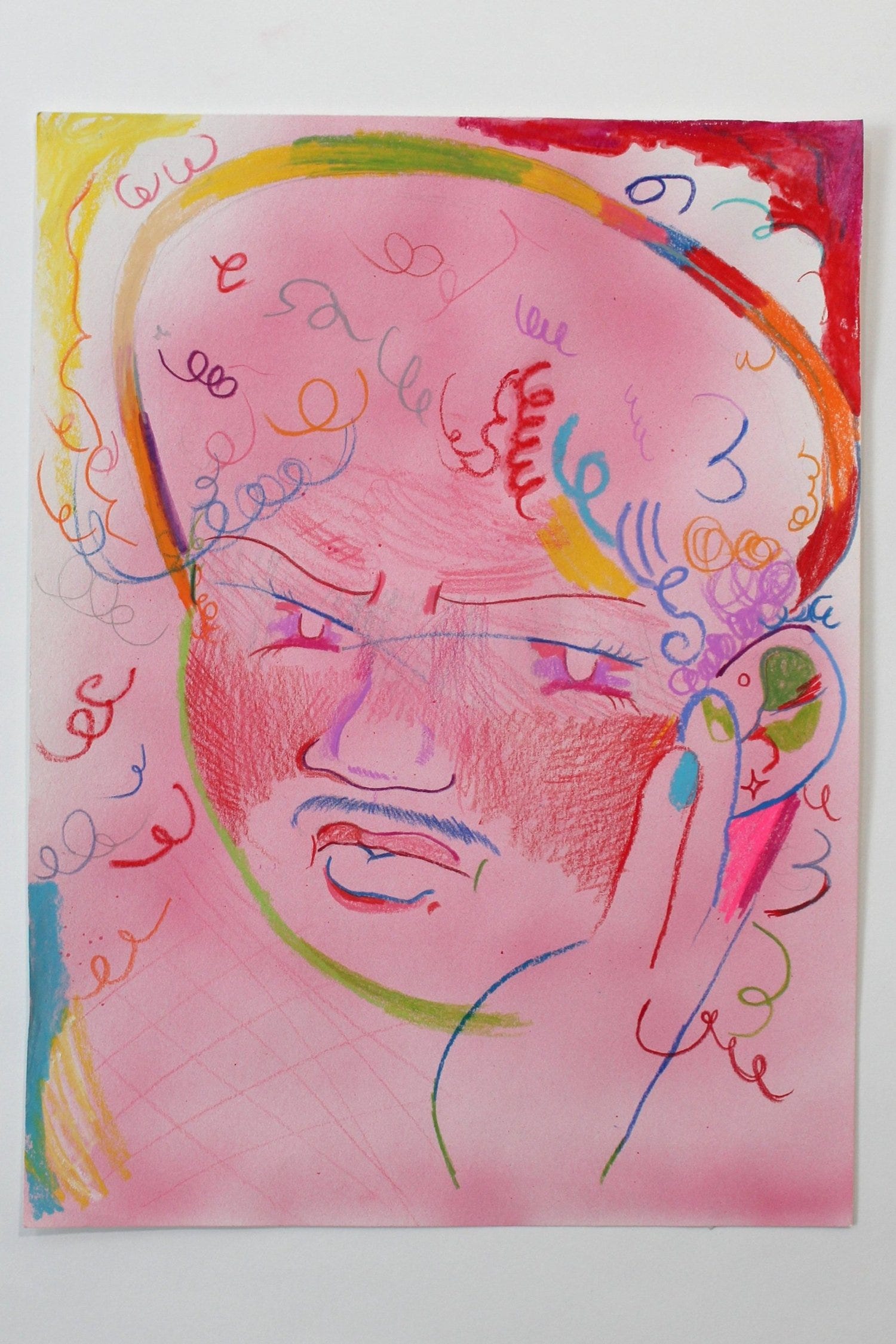
KB: I call my characters “avatars” for two reasons: one, they are not always self-portraits, so these different people depict feelings, experiences, and stories from my life; two, I feel as though capital A-Artists and Arts enjoyers find it easier to connect with something that doesn’t have the “low-brow” cartoon connotation. However, more than anything, I feel like they are characters. Not all of them have names or full stories, but they are part of my canon. All of the characters are me in some way, but I do not always depict my exact likeness.
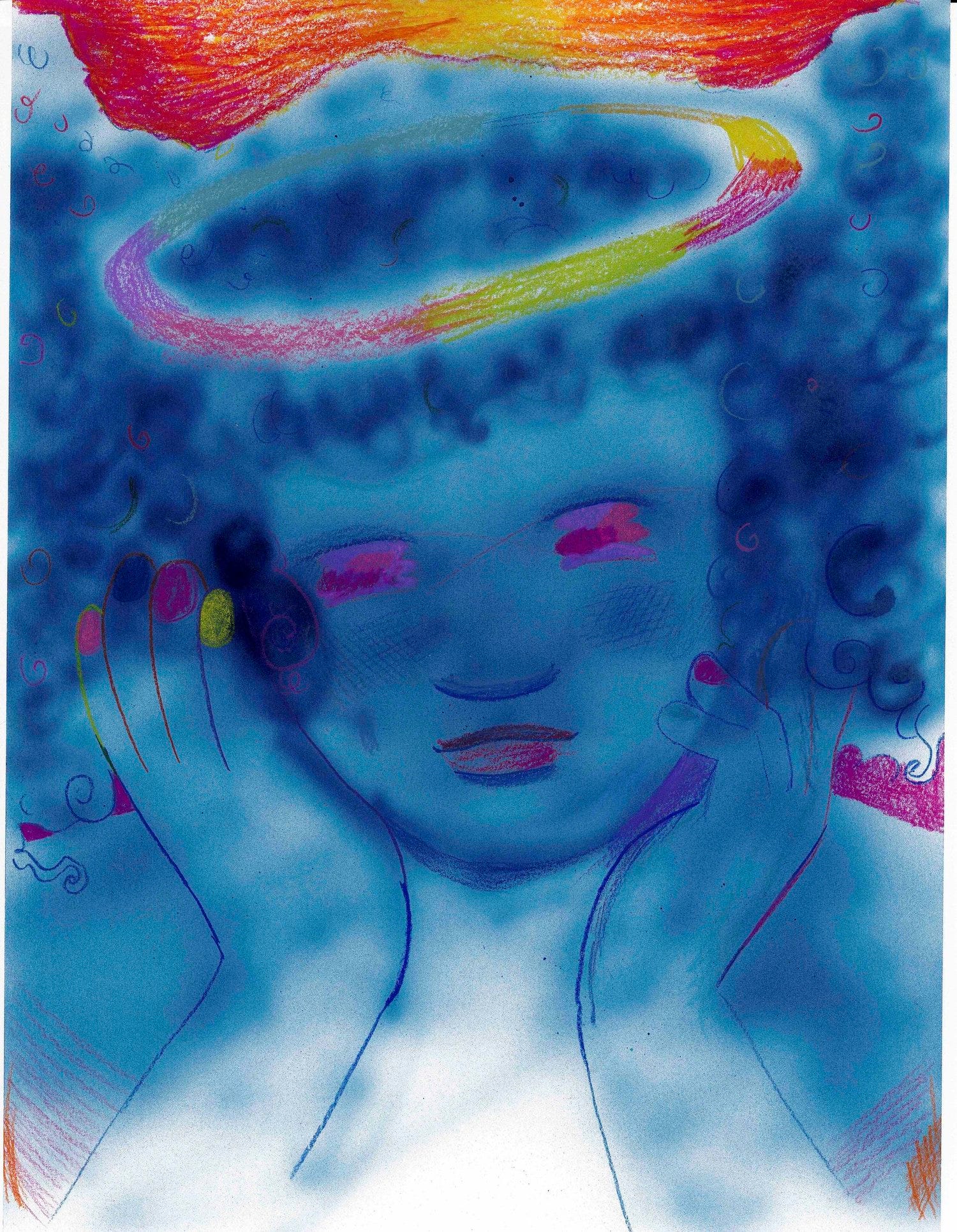
What is your process for selecting colors for a particular piece?
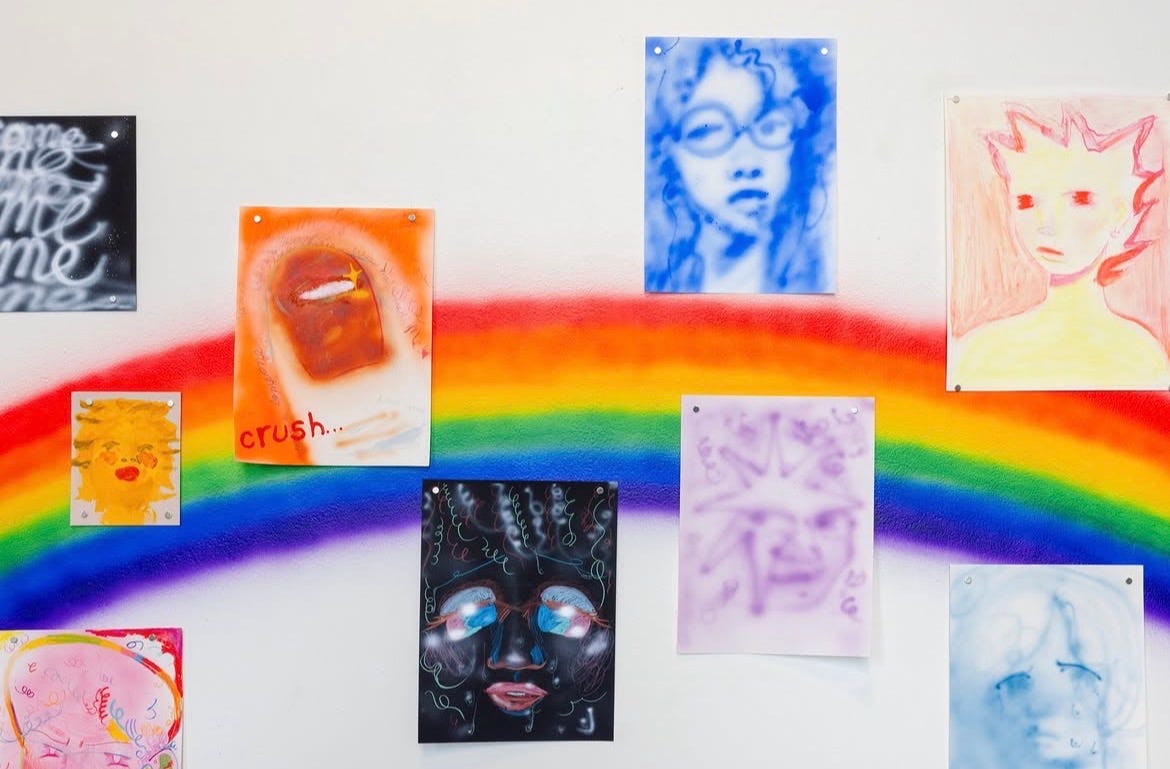
I select colors pretty intuitively, especially when I am drawing. I usually mix airbrush paints without a specific image in mind and see how the image transforms from the color I’ve concocted. I lay a single-color wash on my surface, then carve a drawing out with colors that relate in hue, saturation, or emotional quality. I am a maximalist when it comes to color selection – the more color, the more dreamlike the image becomes. However, I am particularly obsessed with blues; they are the colors I know how to manipulate into the feeling I want to create pictorially. Blue is typically associated with sadness or tranquility, but it feels sexy and mysterious to me.
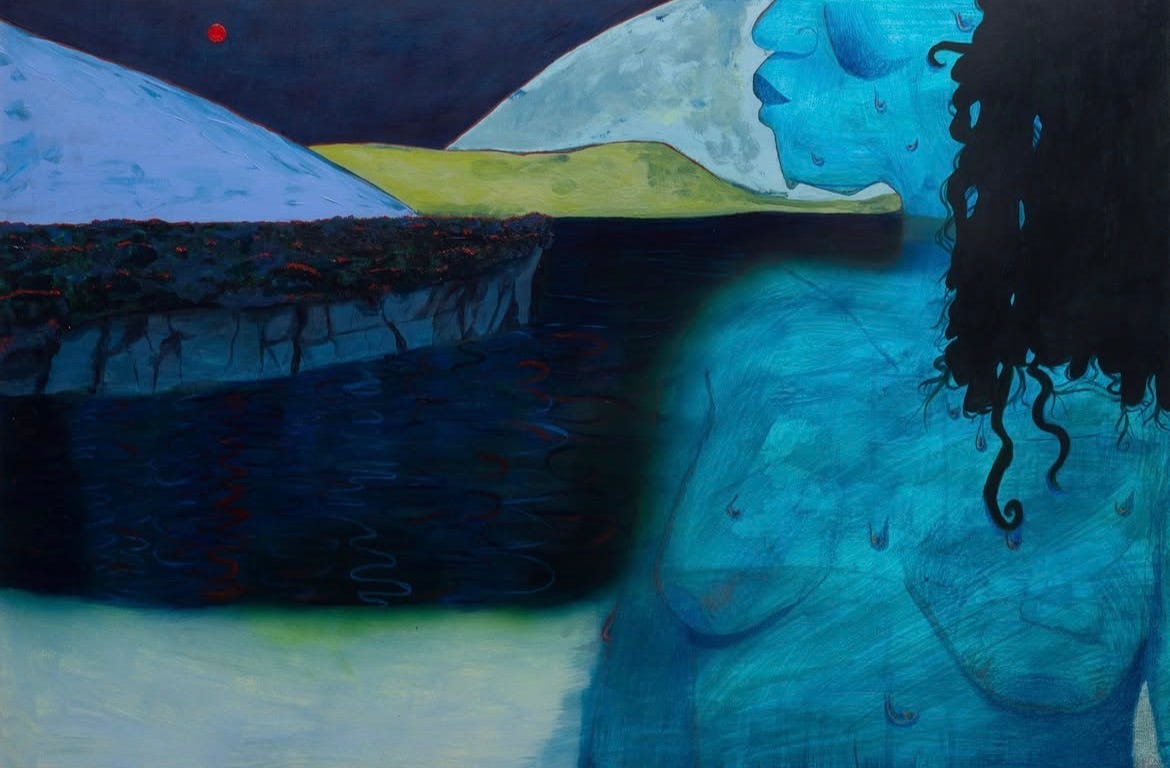
I love your exploration of "wetness" as a motif throughout much of your recent work. How did you come to use this concept? What does a droplet mean to you, and what are different ways you try to depict wetness?
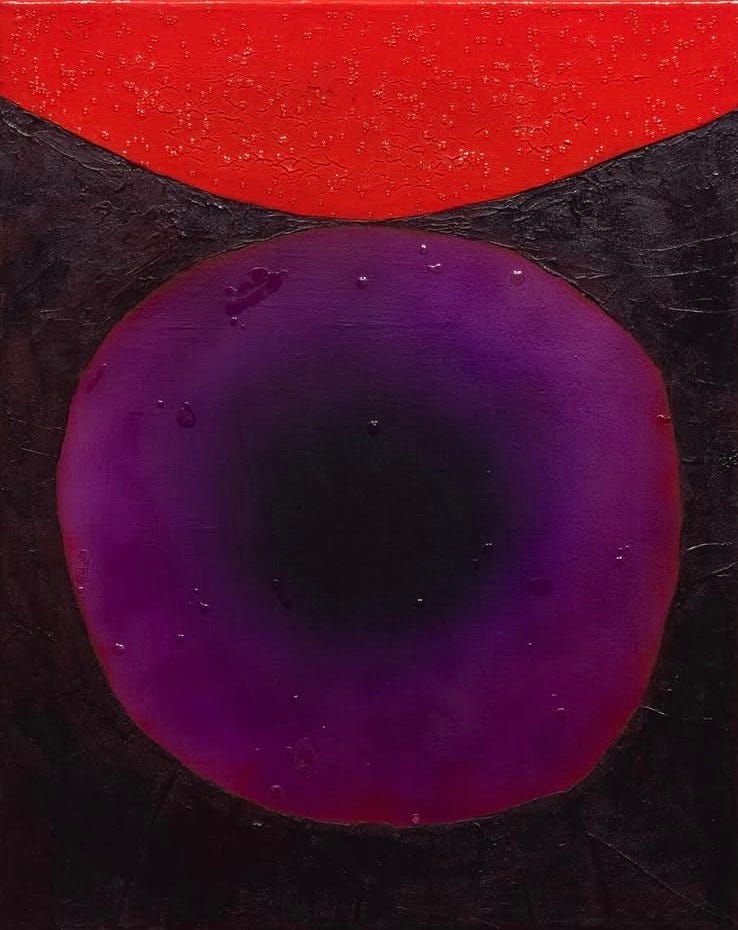
I’ve always been attracted to shiny surfaces; as a child, I often collected little gems and rocks to stare at. I constantly return to the water droplet as a subject because one small bead on a cheek can transmute a character into a state of eroticism, labor, stress, or depression. A close-up image of a single droplet can contain its own world. I love how they function as cells to make up a body, becoming a rainbow. It feels like the science of magic.
Wetness has been opening new feelings for my characters that I’ve not touched before. I’ve been using it to explore feelings of sexual frustration and release and feeling powerfully vulnerable. The naked human body is completely natural, yet we have a sense of shame around it, which causes anxiety. My work often has a voyeuristic feeling, which is my experience as someone who is socialized as a woman of color. Placing drops on the body in my work feels like adorning my avatars in crystals, a beautiful way to make the viewer stare. Maybe one day, they will see themselves reflected back.
When and how do you decide to incorporate text into a piece?
I’m still figuring out why I incorporate text and when to do it. It’s like my color choices, pretty intuitive. I have an arsenal of small poems and drabbles that I pull from that I’ve built up since 2021. Sometimes those phrases inspire me to make a piece depicting the prose; other times I plaster words onto the surface and work to cover and re-expose the words. I don’t consider myself a writer, but this is a way for me to comfortably share personal writings without disclosing every thought I’ve written.
What are your feelings towards Pittsburgh? What's your relationship like with the city and the people here?
I adore Pittsburgh. I’m originally from New York City, which I will always hold deep love for in my heart, but Pittsburgh has shown me kindness and artistic validation that NYC really could not. As an emerging artist, I’ve had so many opportunities and support from Pittsburgh’s creative community. I’ve had two residencies here, became an arts worker here, and have seen the most exponential growth in my skill here. The arts community really tries to show up for each other, and I hope to carry that level of care for the rest of my career. Even Pittsburgh’s hills have found their way into my imagined landscapes.
Who is another Pittsburgh artist everyone should know?
Alli Lemon!!! I had a studio visit with her while in residence at Bunker Projects, and she absolutely blew my mind. Alli showed me the power of clear gesso + colored pencils. She is so generous, and her work is fantastic.
Where can we see your work?
I’m currently not exhibiting, but I hope to be in the near future. Please check out my work on my website, kaylani-brown.com, or my Instagram @kaylanibrown.
Kaylani Brown (b. 1999) is a Black Nuyorican mixed-media artist, storyteller, and night-sky enthusiast based in Pittsburgh, PA. In 2021, they graduated from the Maryland Institute College of Art with a BFA in General Fine Arts. They have participated in Bunker Projects’ artist residency and the Distillery residency at Brew House Arts. Informed by the images of their Catholic upbringing, Kaylani’s work is littered with stars and mysticism. Their work explores what connective possibilities can transform people into heavenly bodies and thus become more human. Emulating the warmth of a journal entry and the playful drawings they made as a child, Kaylani reimagines cosmologies on paper and in panels.
Thank you for reading, more soon xx
Great questions! I like the artist series!
Loved this, Karen!! Get it girl.